When Kantara released in 2022, it wasn’t just another Kannada film—it became a spiritual experience for millions across India. Directed and acted by Rishab Shetty, the movie beautifully combined folklore, faith, nature, and divine justice, leaving audiences emotionally overwhelmed. The climax sequence—featuring the intense portrayal of the Daiva (Divine Spirit)—cemented Kantara as one of Indian cinema’s most powerful mythological thrillers.
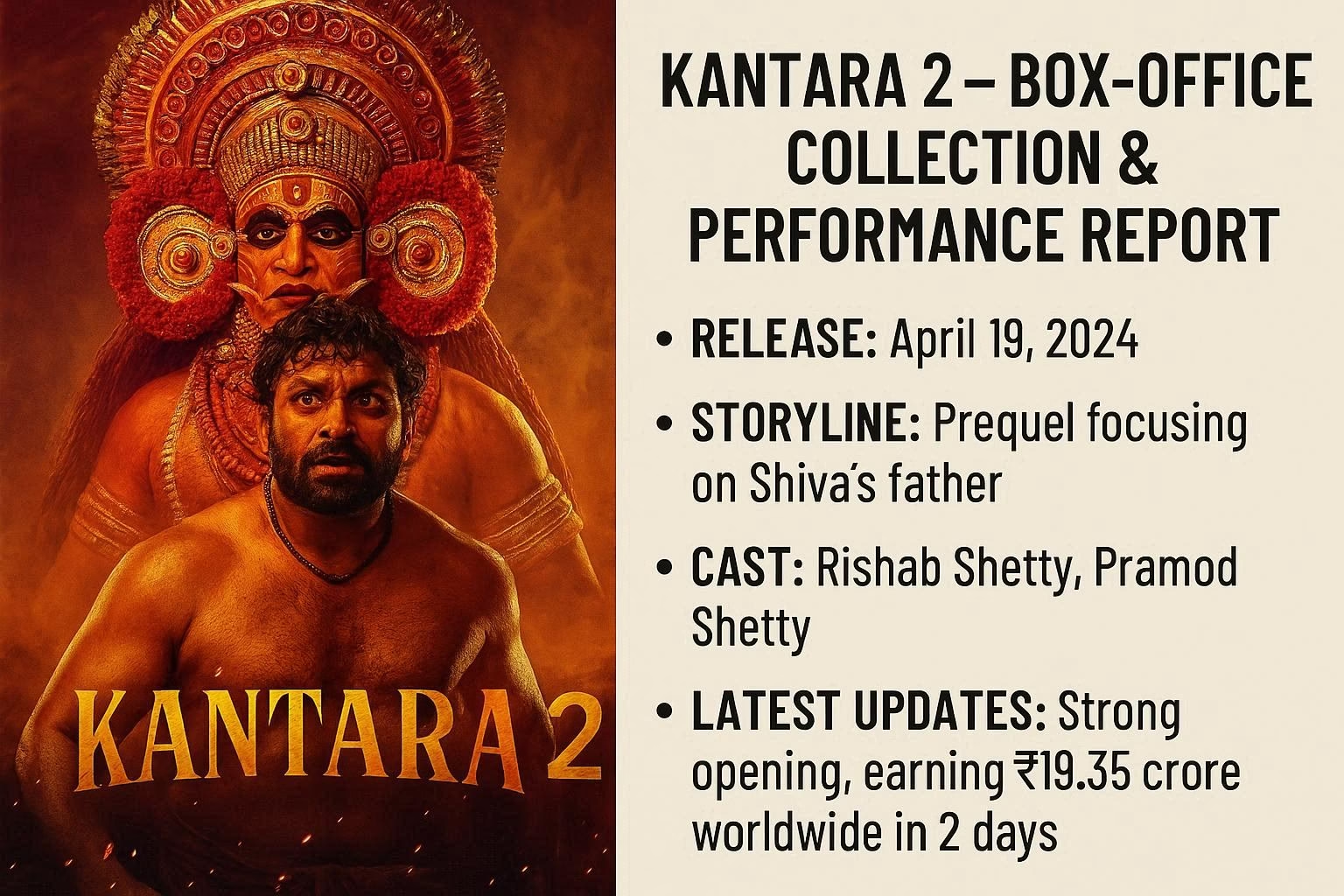
Now, with Kantara 2, Rishab Shetty is taking us deeper into the mystical world that inspired the legend. The prequel will explore the origin of the Daiva, the spirit that protects the land and its people, shedding light on how this divine force came into existence.
In this article, we will explore everything we know about Kantara 2—its story, mythology, cast, production updates, and why it has become one of the most awaited films in Indian cinema.
The Mythical Roots of Kantara
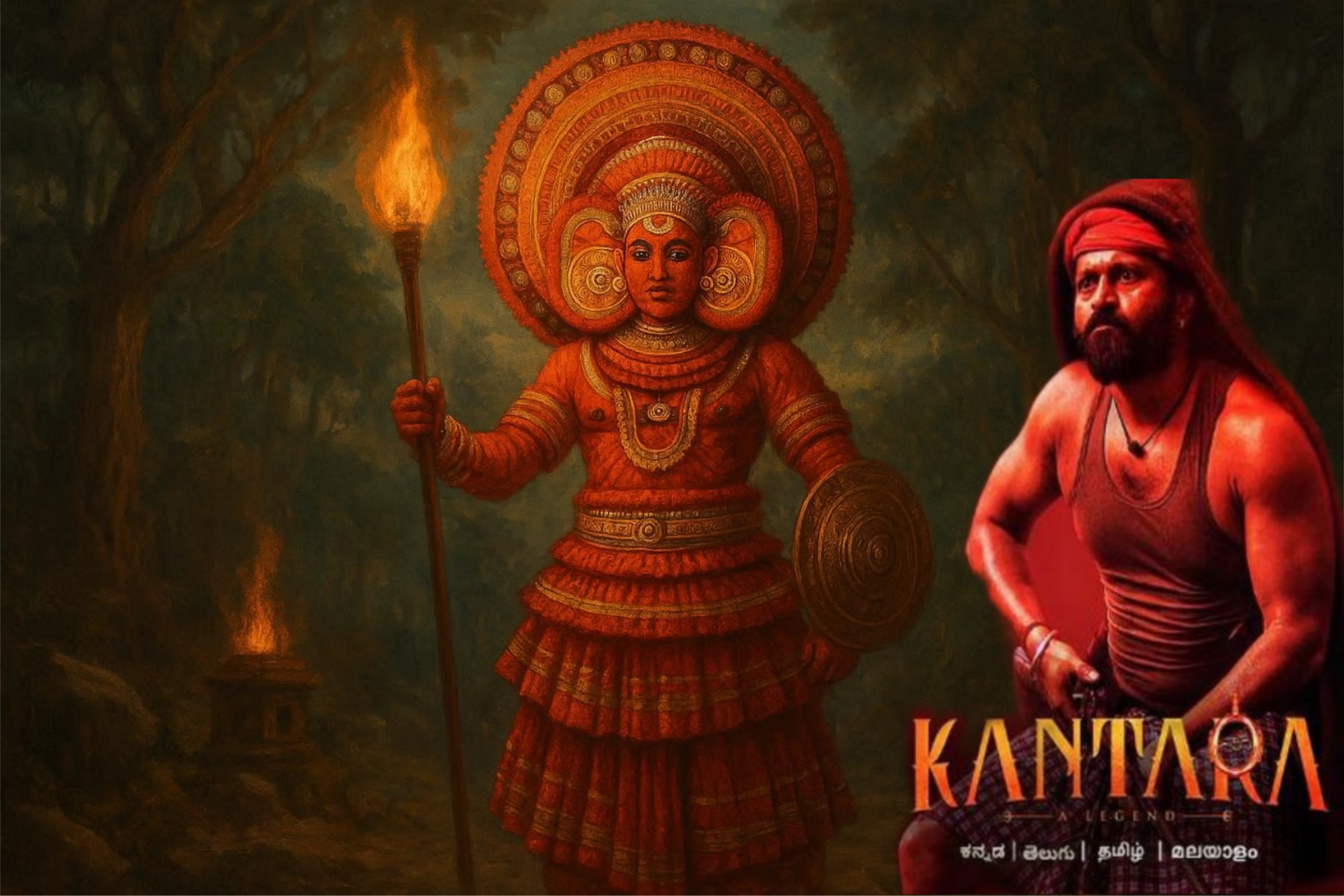
The original Kantara was set in a coastal village in Karnataka and revolved around the conflict between man, nature, and the divine. At its core was the tradition of Bhoota Kola, an ancient ritual where a man becomes the medium for divine spirits—locally called Daivas—who are worshipped as protectors of the community.
The movie portrayed the Daiva Panjurli, a boar spirit representing justice and protection. Through gripping storytelling, Kantara blended folklore and human drama, reminding audiences of the spiritual connection between land, culture, and faith.
Kantara 2: A Prequel to the Legend
Rishab Shetty’s Vision
Rishab Shetty has confirmed that Kantara 2 will not be a sequel but a prequel, set several centuries before the events of the first film. The director has stated that while Kantara was about the consequences of disrespecting divine justice, Kantara 2 will uncover how the Daiva came to be—the origin story of the spiritual protector worshipped in the coastal regions of Karnataka.
In his own words:
“Kantara was part 2. The upcoming film is actually part 1, which delves into the roots of the Daiva and the legend surrounding it.”
This revelation has built massive anticipation among fans who are eager to see how the mythology unfolds.
The Divine Spirit (Daiva): Origin and Significance
The word Daiva in Tulu culture refers to a divine or semi-divine being who acts as the protector of the village and its people. The Daiva serves as a bridge between humans and God, ensuring balance and justice. In Kantara 2, the film will dive deep into the first appearance of the Daiva—how the spirit took form, its bond with nature, and the origin of rituals like Bhoota Kola.
These spirits are believed to have descended to Earth to protect sacred land and its inhabitants. The movie is expected to show the ancient conflict between kings, warriors, and divine entities, explaining how the Daiva became an eternal guardian.
The Storyline: A Journey into the Past
While Rishab Shetty has kept the exact plot under wraps, sources suggest that Kantara 2 will be set in the 15th or 16th century, long before modern civilization reached the coastal regions. The story will likely follow a chieftain or warrior who encounters the divine spirit during a time of turmoil.
The narrative may explore:
- The origin of Panjurli Daiva and his divine purpose.
- The human struggles that led to the establishment of Bhoota Kola rituals.
- The relationship between the ruler and the divine protector, highlighting the concept of Dharma (righteousness).
- How greed, power, and betrayal led to the invocation of divine wrath and justice.
The film will blend history, spirituality, and folklore—maintaining the cultural authenticity that made the original movie iconic.
Rishab Shetty: The Visionary Behind Kantara
Rishab Shetty is not only the writer and director of Kantara 2 but also the lead actor. His dedication to representing native traditions, language, and beliefs has earned him critical acclaim. For Kantara 2, Shetty reportedly spent months studying ancient Tulu scriptures, local stories, and ritual performances to ensure authenticity.
He has said that Kantara 2 is more spiritual, grand, and emotionally deeper than the first film. It will explore the philosophical dimensions of divinity and human morality, while also being visually spectacular.
Cast and Crew: Who’s Returning for Kantara 2?
While the official cast list hasn’t been fully confirmed, Rishab Shetty will return as the lead. However, since Kantara 2 is set centuries earlier, it’s unlikely that characters from the original movie—such as Leela (Sapthami Gowda) or Shiva’s mother—will appear.
Expected key contributors include:
- Rishab Shetty – Director, Writer, Lead Actor
- Ajaneesh Loknath – Music Composer (returning with folk-based spiritual tracks)
- Arvind S Kashyap – Cinematographer, known for his breathtaking visuals
- Hombale Films – Production house behind K.G.F and Salaar
Hombale Films has promised that Kantara 2 will be larger in scale while staying rooted in the cultural essence that made the original a masterpiece.
Production Updates and Filming Details
According to recent reports, the script for Kantara 2 is complete, and pre-production work is in full swing. Rishab Shetty began location scouting in the coastal belt of Karnataka—particularly in regions like Kerala’s Kasaragod district and Udupi—to capture the raw beauty of the land.
Filming reportedly began in mid-2024 and is expected to continue until early 2025. With post-production and VFX planned for several months, the tentative release date for Kantara 2 is expected to be late 2025 or early 2026.
The film’s budget is significantly higher than the original, estimated at around ₹120–150 crore, making it one of the biggest Kannada productions ever.
The Music and Sound of the Divine
Music played a crucial role in Kantara, where every drumbeat and chant resonated with emotion and energy. For Kantara 2, composer B. Ajaneesh Loknath returns with an even more intense and spiritual soundtrack.
Expect traditional instruments like Chende, Maddale, and Kombu, combined with haunting chants in Tulu, Sanskrit, and Kannada. The music will not only enhance the storytelling but also immerse audiences in the divine world of Bhoota Kola.
Visual Grandeur and Cinematic Experience
Cinematographer Arvind Kashyap, who was praised for his surreal camerawork in Kantara, will push boundaries further in Kantara 2. The visuals are expected to capture the raw power of nature, fire rituals, and ancient landscapes—reflecting the connection between man and the divine.
Rishab Shetty has hinted that the film will use minimal CGI, relying heavily on natural locations and traditional lighting. This choice ensures that the film maintains its authentic, grounded aesthetic, making every frame feel alive.
Cultural and Spiritual Impact
The first Kantara inspired many young viewers to explore their local traditions and spiritual heritage. It reignited pride in Karnataka’s Tulu culture and sparked national interest in rituals like Bhoota Kola, Kambala, and Nagaradhane.
With Kantara 2, the impact could be even deeper. By exploring the origin of the Daiva, Rishab Shetty aims to remind audiences that divine energy and faith are timeless forces—beyond religion and caste. The movie is expected to become a spiritual journey rather than just a cinematic one.
Why Kantara 2 Is More Than Just a Movie
Kantara 2 is not just a continuation of a story—it’s a revival of India’s forgotten spiritual traditions. The film’s strength lies in how it merges philosophy, folklore, and emotion into one cohesive narrative.
It touches upon universal questions:
- What defines divinity?
- How does nature embody spiritual power?
- What happens when humanity loses touch with its roots?
By exploring these themes, Kantara 2 will appeal not only to fans of the first film but also to anyone seeking meaning and connection in an increasingly modern world.
Expected Box Office and Audience Hype
Given the global success of Kantara, expectations for Kantara 2 are sky-high. The first movie grossed over ₹400 crore worldwide on a modest budget, becoming one of India’s most profitable films.
Industry experts predict that Kantara 2 could cross ₹600–700 crore globally, thanks to its massive fanbase and pan-India appeal. The movie will release in Kannada, Hindi, Tamil, Telugu, and Malayalam, with plans for international screenings in the US, UK, and Middle East.
Fan Theories and Speculations
The internet is buzzing with theories about the upcoming film:
- Some believe Kantara 2 will explore how the first human became the Daiva.
- Others suggest it will reveal the curse and blessing tied to divine powers.
- A few even speculate that the movie may feature the reincarnation of the original Daiva, setting the stage for an eternal cycle of protection.
Whatever the truth, Rishab Shetty’s storytelling mastery ensures the mystery will unfold with intensity and reverence.
Final Thoughts: The Divine Legacy Continues
Kantara 2: Exploring the Origin of the Divine Spirit (Daiva) is shaping up to be more than a prequel—it’s a spiritual odyssey into India’s sacred past. With Rishab Shetty’s vision, Hombale Films’ production excellence, and the cultural power of Tulu folklore, this film could redefine how Indian cinema portrays divinity and faith.
As audiences await the trailer and release, one thing is certain: the Daiva will rise again—not just on screen, but in the hearts of all who believe in the sacred bond between man, nature, and the divine.