Deep-dive comparison of Jio, Airtel and Vi 5G in India (coverage, speeds, spectrum, plans, prices, extra services). Who leads today — network, experience, value or innovation? Updated analysis with data and sources.
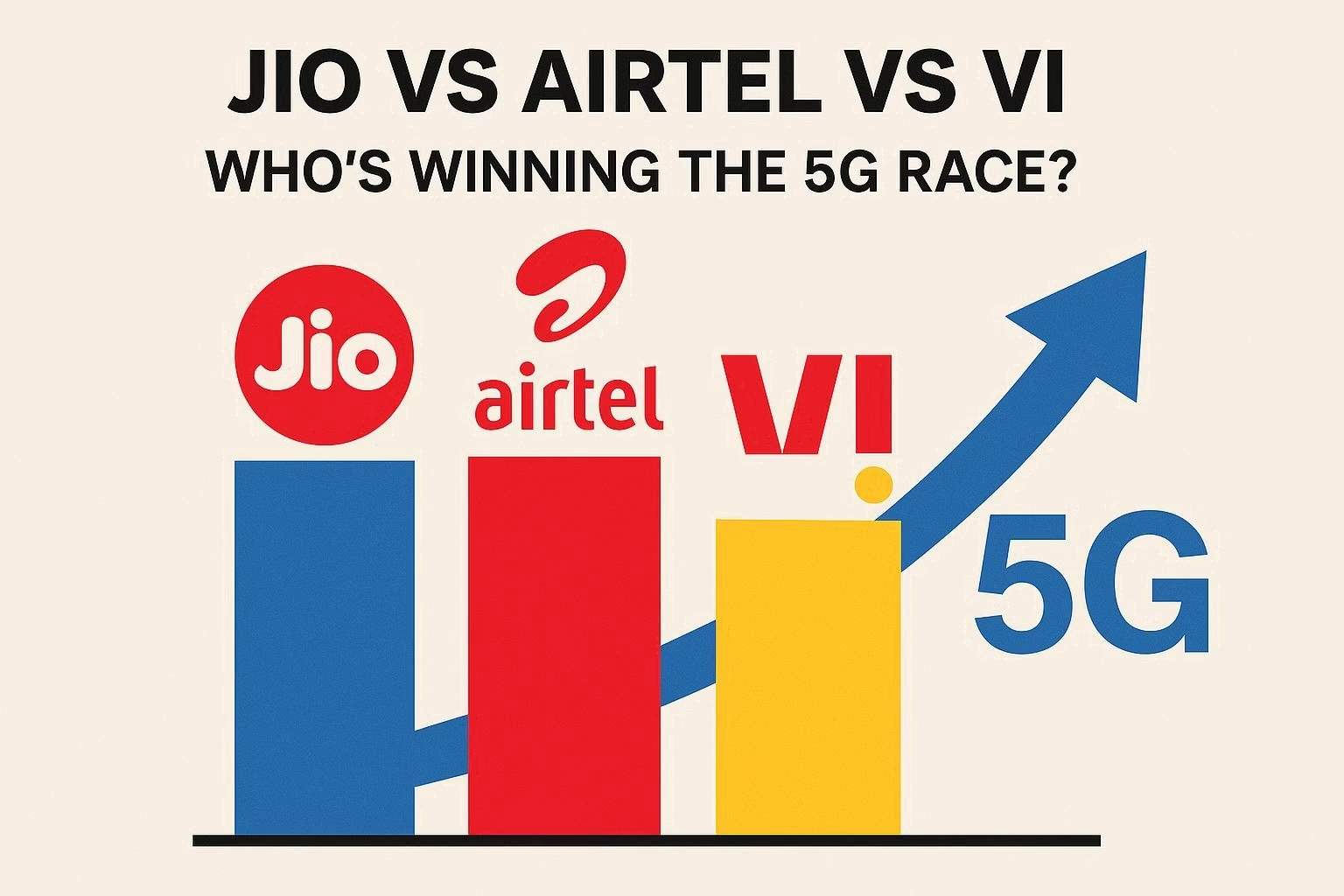
By mid-2025 the 5G race in India is a three-way contest with different winners depending on the metric:
- Jio: Leading on spectrum bets, rapid city rollouts and breadth of services (home 5G, fixed wireless, dense mmWave buys). Jio’s aggressive spectrum acquisition and rollout strategy make it the likely leader in raw coverage and capacity.
- Airtel: Often tops independent 5G experience and user-facing performance metrics (video, latency, overall experience) in third-party reports — strong in network quality, enterprise solutions and premium value-adds.
- Vi (Vodafone Idea): A comeback story — expanding 5G footprint and retail push, competitive plans and bundled content; still catching up on spectrum breadth vs Jio/Airtel but narrowing gaps in key cities.
India’s 5G user base has surged (hundreds of millions), and infrastructure additions are happening fast — so “leader” depends on whether you care about coverage, real-world user experience, price/value, or enterprise & home broadband.
1) Where the networks stand today: coverage, cells and subscribers
- Subscriber adoption: India reached massive 5G scale by mid-2025 — industry reports put 5G subscriptions in the hundreds of millions (e.g., ~365M 5G subs by end-June 2025), which shows rapid consumer adoption as device prices fell and operators rolled out widely.
- Base stations / rollout: The national rollout is ongoing and accelerating — monthly additions run into the thousands; recent tallies show India crossed ~504,000 5G base stations in early October 2025, reflecting intense deployment activity across operators.
What this means: all three operators are actively expanding 5G, but scale and timing differ by circle (state). Urban areas see the fastest upgrades, while rural availability is improving as telcos densify networks.
2) Spectrum — the power under the hood
Spectrum is a primary competitive advantage for 5G because it determines how much capacity and peak speed a telco can deliver.
- Jio: Made very large purchases in the mmWave (26 GHz) auctions and holds substantial high-band spectrum across many circles — ideal for ultra-high throughput (fixed wireless / dense urban demand). That asset gives Jio a big capacity edge for metro hotspots and fixed wireless broadband.
- Airtel: Bought a large slice of mid and high bands and combines that with aggressive engineering (SA core upgrades and partnerships with Ericsson/Nokia) to deliver efficient spectrum usage and strong experience. Airtel’s strategy balances coverage and capacity.
- Vi: Won mmWave spectrum in priority circles but less than Jio overall; Vi’s spectrum portfolio is smaller, which historically constrained capacity, but targeted investments and vendor partnerships are improving performance in priority markets.
Takeaway: Jio leads on raw spectrum holdings (especially mmWave) → potential leader for peak speeds and fixed wireless in dense pockets. Airtel’s spectrum + engineering gives top user experience in many tests. Vi is closing gaps in key circles.
3) Real-world speed & experience: who feels faster?
Independent measurement firms provide the clearest picture of what consumers actually see.
- Opensignal & other reports: Recent independent network experience reports have often credited Airtel with leadership in aggregated 5G experience metrics (video, latency, reliability), while Jio competes strongly in upload speeds and bursts of peak throughput. These tests indicate Airtel often delivers the best consistent experience even if Jio shows higher peak capabilities in some markets.
Why results differ: lab/peak tests favor operators with lots of mmWave and capacity (Jio), while end-user experience metrics favor balanced spectrum, optimization and load management (Airtel). Vi’s performance is improving but varies more across circles.
4) Consumer products: plans, value, home 5G
Each operator packages 5G differently — mobile plans, home broadband (fixed wireless), and bundled services matter for buyers.
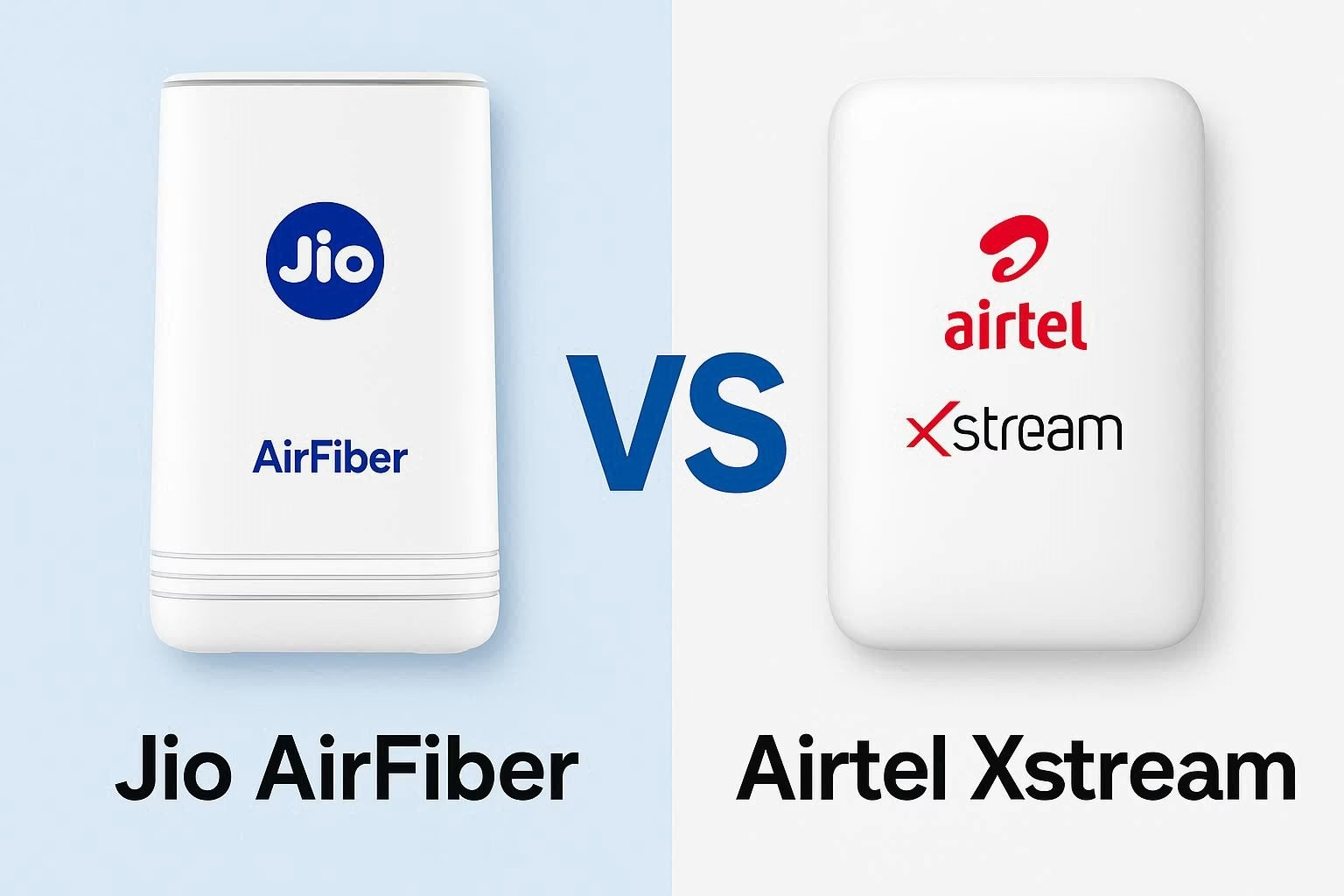
- Jio: Pushed a broad play — mobile 5G plans, Jio AirFiber / JioFiber over 5G (fixed wireless for homes), and heavy content/service bundling across music, video and cloud. Jio’s strategy is to tie large coverage + disruptive pricing + home broadband offers.
- Airtel: Markets Airtel 5G Plus and emphasizes a premium experience (no SIM change, easy handover) and bundles (Xstream, Wynk, SmartHome, enterprise services). Airtel also focuses on reliable speeds and enterprise-grade features (5G SA core).
- Vi: Offers competitive prepaid/postpaid 5G plans and bundles (entertainment/cloud gaming) and is ramping up retail incentives and partnerships to win consumers back. Vi markets 5G as both value and entertainment upgrade.
Price vs experience: Jio tends to disrupt on price and scale; Airtel charges premium but often gives better measured experience; Vi competes aggressively on offers and retail reach.
5) Enterprise, edge and new-age services
5G isn’t just faster phones — it’s about low latency, enterprise edge computing, private networks, AR/VR, cloud gaming and IoT.
- Airtel: Aggressively courting enterprises with 5G SA core, low-latency services, MEC (multi-access edge computing) and B2B solutions — a strong play for industry digitalization. Partnership announcements with vendors emphasize enterprise readiness.
- Jio: Building an ecosystem — fixed wireless home broadband (AirFiber), cloud/edge integrations and content + commerce tie-ins. Jio also targets large-scale consumer use cases (cloud gaming, AR streaming) leveraging its spectrum heft.
- Vi: Targeting SMBs and select enterprise segments while also strengthening retail and consumer offerings; Vi’s strategy includes partnerships and service bundles that extend 5G beyond pure connectivity.
Bottom line: Airtel looks strongest for enterprise-grade 5G now; Jio’s assets make it a threat in consumer and industrial scale use-cases where capacity matters.
6) Device compatibility & SIM changes
- SIM & handset readiness: Most modern 5G phones work on Indian 5G networks; operators have tried to make migration seamless (Airtel advertises no SIM change; Jio and Vi have rollout guides). Even so, some advanced features (mmWave for ultra-high speeds) require compatible devices and handset OEM support.
Advice for consumers: if you want consistent nationwide 5G experience, pick an operator with broad mid-band coverage in your circle and a handset that supports the bands deployed there.
7) Price & plans — who gives more data for the money?
Pricing is dynamic and regionally variable, but patterns exist:
- Value tier: Jio often undercuts rivals with aggressive introductory pricing and large bundled data allowances — attractive for heavy mobile users and for fixed wireless home alternatives. Jio
- Premium tier: Airtel’s higher price plans typically include better content bundles, enterprise features and measured network performance.
- Competitive moves: Vi uses targeted discounts, retailer incentives and content bundles to win customers and regain market share. Expect frequent promo cycles.
Pro tip: compare plan fine print (speed caps, OTT locks, fair usage) rather than headline GB numbers.
8) Strengths & weaknesses — quick operator scorecard
Reliance Jio
- Strengths: massive spectrum (incl. 26 GHz mmWave), aggressive rollout & pricing, vertical services (AirFiber/JioFiber), large subscriber acquisition engine.
- Weaknesses: real-world consistency can vary by circle and device; reliance on mmWave needs dense urban deployment to shine.
Bharti Airtel
- Strengths: top independent user experience scores, robust engineering (5G SA deployments), strong enterprise portfolio and premium consumer bundles.
- Weaknesses: typically pricier than discount plays; needs continued spectrum densification to match Jio’s peak capacities.
9) What should you choose? (Practical buying guide)
- If you want raw peak speeds / future-proof fixed wireless at home (in big cities): lean Jio — large mmWave holdings and home 5G products make it ideal where Jio’s high-band cells are present.
- If you value consistent, high-quality streaming/gaming and enterprise features: choose Airtel — often tops experience metrics and offers robust enterprise/edge services.
- If you want best price/value and plan flexibility: Vi is worth considering — aggressive offers and improving coverage in key areas make it a strong budget pick.
Also check local coverage maps on each operator’s site before switching — national marketing doesn’t always reflect circle-level reality.
10) The near future: what to watch (next 6–12 months)
- Network densification: expect thousands more 5G BTS per month — more consistent speeds and rural penetration will follow.
- BSNL 5G entry: state operator moves (BSNL upgrades) and regional initiatives can shift dynamics in some circles.
- More home 5G competition: fixed wireless (AirFiber etc.) will challenge wired broadband in many urban areas.
- Enterprise & private 5G: expect growth in private networks (factories, campuses) and partnerships with cloud/edge providers — a big revenue frontier beyond consumer SIMs.
Conclusion — no single “winner”… but clear leaders by metric
There’s no one-size-fits-all winner in India’s 5G race. Jio has the spectrum and scale to dominate peak capacity and fixed wireless in metros; Airtel regularly wins user-experience benchmarks and enterprise contracts; Vi is an improving challenger with strong value plays. Your personal “winner” depends on where you live, what you value (price, speed, reliability or enterprise features), and which operator has the best local coverage in your circle.